
Answer in brief
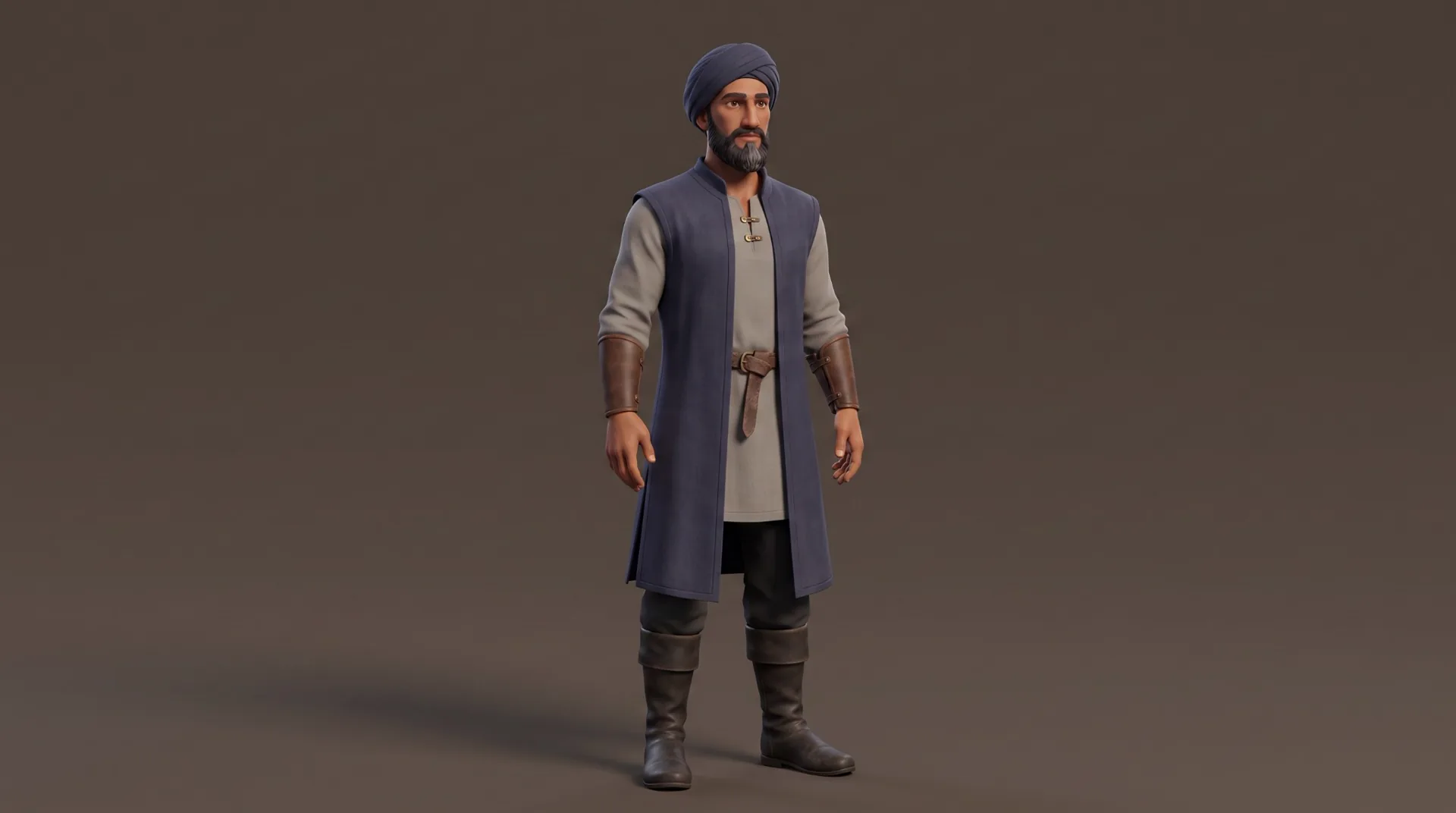
Hamza’s strength must listen because power without attention can protect the wrong thing, miss a warning or turn rescue into domination. In MUD’s adaptation, his courage becomes heroic when force serves responsibility, restraint and the evidence offered by others.
Strength changes the room before it acts
A physically powerful character never enters a neutral space. Allies may expect rescue. Rivals may prepare for impact. Frightened people may become silent because they assume the strongest person has already decided what will happen. Hamza’s first responsibility is therefore not merely to act quickly. It is to understand what his presence is doing to everyone else.
Listening interrupts that automatic gravity. It tells the room that strength can still receive information. In a story full of traps, ceremonies, competing claims and altered records, that ability is not softness. It is survival.
Listening is an action, not a pause
On screen, listening can look passive if it is written as empty silence. We design it as a sequence of decisions. Hamza notices a warning. He chooses not to dismiss the speaker. He compares the warning with what he can see. Then he changes the next action. The audience witnesses judgment taking shape.
This also gives other characters real agency. Umro’s evidence matters because Hamza is capable of receiving it. Muqbil’s observation matters because precision can redirect power. A witness matters because testimony is allowed to alter the heroic plan.
Restraint creates better tension than endless victory
If strength solves every problem immediately, a scene becomes predictable. Restraint creates pressure because the hero must remain capable of action while refusing the easiest action. He may need to protect someone without destroying the evidence around them. He may need to cross a dangerous room without confirming the enemy’s story about him. He may need to wait long enough to hear the warning that changes everything.
The question shifts from ‘Can Hamza win?’ to ‘What will he choose to preserve while he wins?’ That is a more durable source of suspense.
Protection is the measure of force
MUD’s Hamza is defined by disciplined courage, loyalty and protection. Protection is a demanding standard because it forces the hero to account for consequences beyond his own body. A blow that defeats an enemy but endangers a bystander is not complete. A rescue that leaves a false record untouched may not protect the next person. A promise that ignores another person’s consent is not protection at all.
Listening lets strength see those wider consequences. It is how force becomes responsibility rather than appetite.
How the camera shows a hero thinking
The visual language should resist turning every heroic moment into a larger pose. Sometimes the most important shot is the eyeline between Hamza and the person everyone else has ignored. Sometimes it is the held breath before he lowers a weapon. Sometimes the composition places a vulnerable figure inside the same frame as the threat, making protection—not dominance—the clear objective.
When Hamza finally moves, the action should feel changed by what he heard. That change is the proof. Strength listened, and the world survived differently because it did.
Frequently asked questions
Does restraint make Hamza less powerful?
No. Restraint shows that his power is under conscious control. A hero who can change course after receiving evidence is more capable, not less.
Why not define the hero through combat?
Combat can reveal skill, but repeated victory reveals little by itself. Decisions about protection, consent, evidence and consequence show who Hamza is when strength alone is insufficient.
How do Umro and Muqbil affect Hamza’s choices?
They bring different forms of intelligence: Umro reads systems and evidence, while Muqbil identifies precise mechanisms. Hamza’s leadership becomes stronger when it can use both.